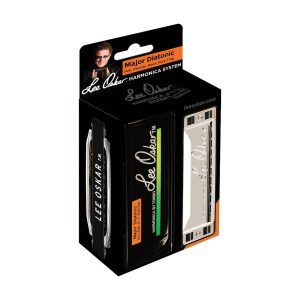
$59.00
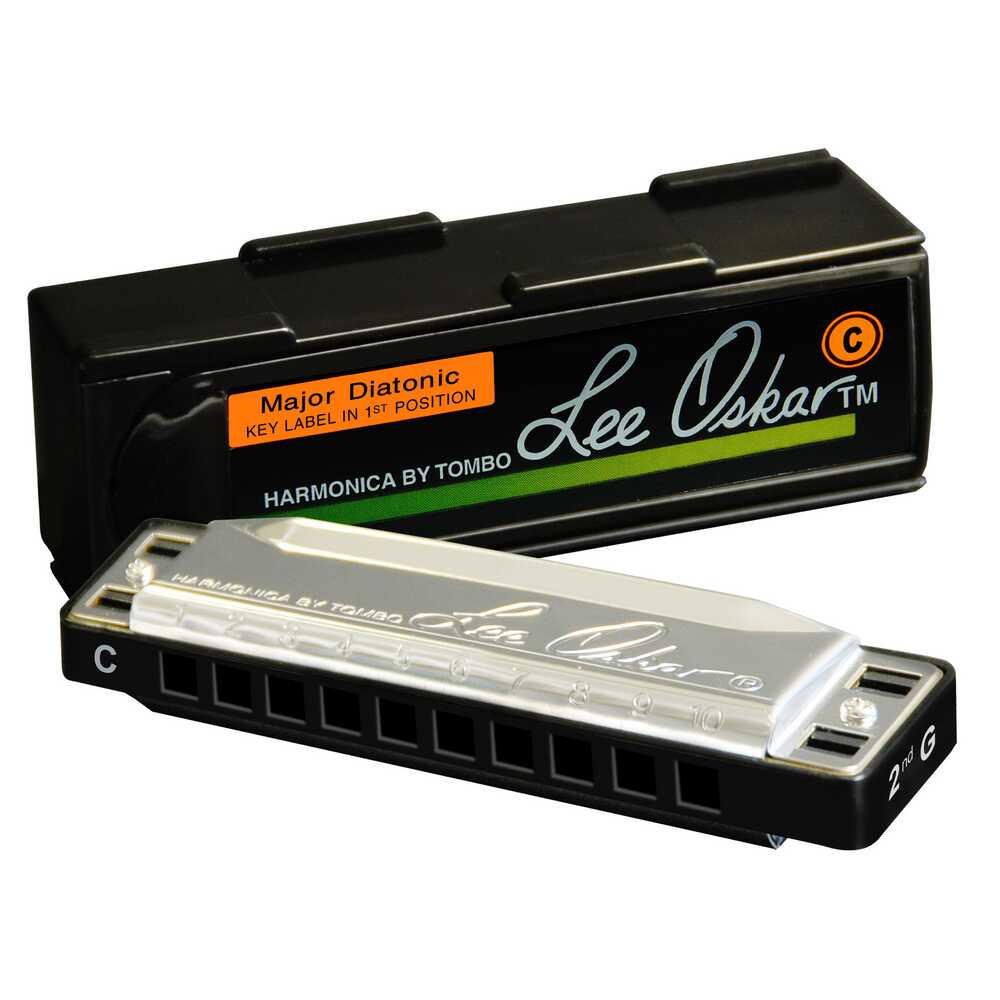
The Lee Oskar Major Diatonic is the standard Blues tuning and the most widely played harmonica tuning in the world. It’s the harp most players learn on, the one nearly all harmonica instruction is written for, and the one that covers the largest share of popular repertoire. If you own a single harmonica, this is the one to own.
The Major Diatonic is designed for two playing positions, and the one you choose shapes both the sound and the style.
1st Position (Straight Harp) puts you in the same key as the harmonica. The major scale sits naturally under your breath and the tone is bright and direct — the position for Folk and Country, and where most players begin.
2nd Position (Cross Harp) puts the expressive draw notes and bends at the centre of the layout. This is where the wailing, vocal, unmistakably bluesy sound comes from. Use it for Blues, Rock, Pop, and Country.
Moving fluently between the two is the core skill of diatonic harmonica playing, and the Major Diatonic is built to reward it.
Lo C, Lo D, Lo E, Lo F, Lo F#, G, Ab, A, Bb, B, C, Db, D, Eb, E, F, F#, Hi G
The extended low keys — Lo C through Lo F# — give a deeper, breathier tone favoured for slow Blues and atmospheric playing. At the other end, Hi G is bright enough to cut through a full band mix.
Which key you need depends on the song and the position you’re playing in. The Key Chart below matches song keys to harmonica keys for both positions.
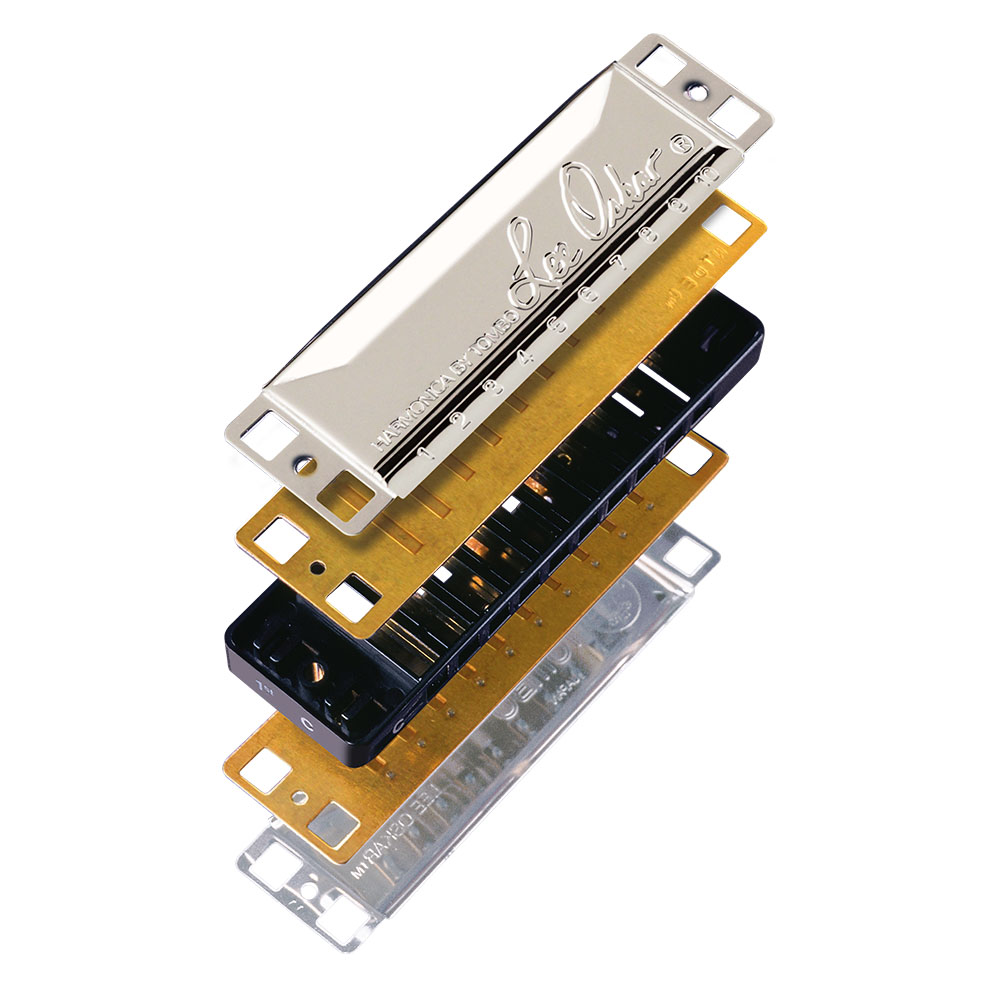
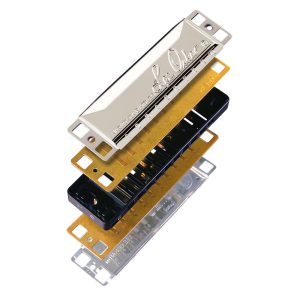
Every Lee Oskar Major Diatonic is designed around replaceable reed plates. When the reeds wear out, you fit a new set of Major Diatonic Reed Plates and keep the comb and cover plates you already own, restoring the harp at about half the cost of a new one.
Because every reed plate in the Lee Oskar Harmonica System shares the same combs and covers, you can also fit Melody Maker, Natural Minor, or Harmonic Minor plates to this body and change its tuning entirely.
Product Details: Lee Oskar Major Diatonic Harmonica · Orange Label · Model #1910 · Sold by key
| Weight | 3.36 oz |
|---|---|
| Dimensions | 4.375 × 1.5 × 1.125 in |
| Select Key: | Key of Hi G, Key of F#, Key of F, Key of E, Key of Eb, Key of D, Key of Db, Key of C, Key of B, Key of Bb, Key of A, Key of Ab, Key of G, Key of Lo F#, Key of Lo F, Key of Lo E, Key of Lo D, Key of Lo C |
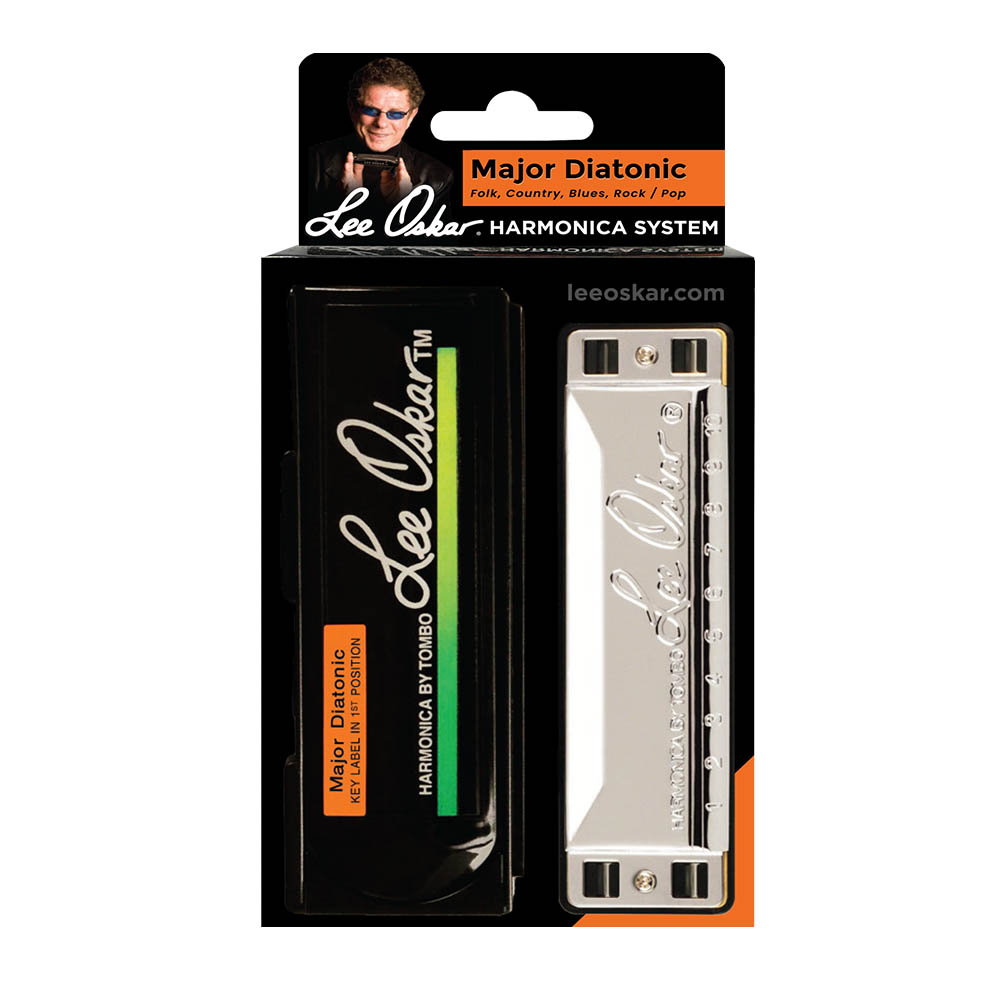
The Major Diatonic. It’s the standard Blues tuning, nearly all harmonica instruction is written for it, and it covers Folk, Country, Blues, Rock, and Pop.
Although it’s possible to play in many keys of music on any one harmonica by using various positions, most players use only the first two. 1st Position, also known as Straight Harp, starts from Blow — on the Major Diatonic that suits Folk and Country. 2nd Position, also known as Cross Harp, starts from Draw, which puts the bendable notes at the centre of the layout and produces the classic Blues sound. For more information see Understanding 1st / 2nd Position.
It depends on the song’s key and which position you’re playing in. The Major Diatonic Key Chart matches song keys to harmonica keys for both positions.
The extended low keys (Lo C through Lo F#) produce a deeper, breathier tone suited to slow Blues and atmospheric playing. Hi G sits at the bright top of the range and cuts through a loud band.
You replace the reed plates rather than the harmonica. A new set of Major Diatonic Reed Plates fits your existing comb and cover plates and costs about half the price of a new harp.